
High-Signal Logic Systems for Complex Operations.
Based in Kyoto, we provide rigorous diagnostic audits for data architectures where standard analytics fall short. We don't just process data; we map the underlying logic that drives it.
Core Architectures Under Analysis
Data systems often fail not because of hardware or scale, but because of contradictory logic within the hierarchy. We specialize in three primary domains where logic analytics provides the highest ROI by identifying systemic noise and structural friction.
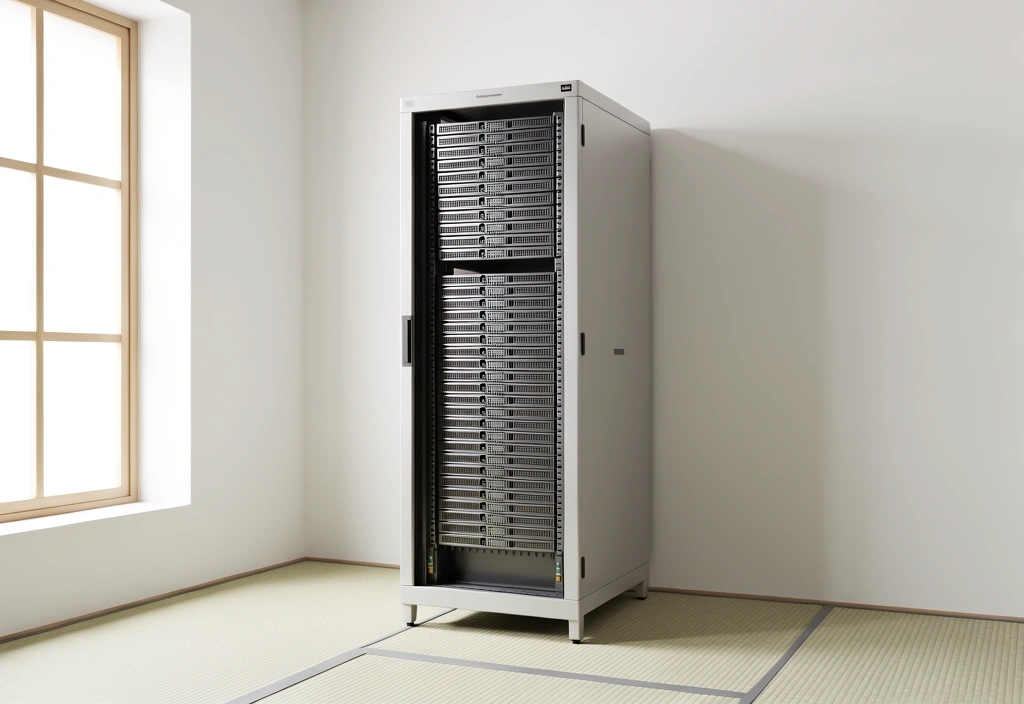
Relational Logic & Data Integrity
We analyze the integrity of large-scale relational databases, focusing specifically on transaction logic and high-frequency updates. Our team identifies deadlocks, circular dependencies, and synchronization lags that cause systemic drift in financial and operational records.
- ACID Compliance Audits
- Latency Source Mapping
- Normalization Optimization
- Conflict Resolution Trees
Distributed Intelligence Networks
In multi-node environments, data consistency is frequently the primary point of failure. ZenLogic applies advanced logic analytics to event-driven architectures and message-bus systems to ensure that asynchronous signals result in predictable outcomes.
- Event Sequence Validation
- Consensus Protocol Testing
- Message Queue Diagnostics
- Node Failover Analysis
Decision Support & Expert Systems
For systems that drive automated decision-making, we audit the "Why" behind the "What." We dissect rule-based engines and heuristic models to identify edge cases where the logic may yield high-risk or low-signal results.
- Heuristic Bias Detection
- Rule Conflict Resolution
- Outcome Probability Maps
- Feedback Loop Tuning
In-Depth Diagnostic Inventory
ZenLogic provides specific investigative services designed for systems requiring a high degree of mathematical certainty and operational uptime.
Hardware-Level Logic Flow
Investigating the bridge between physical processing and software execution to eliminate bottlenecks at the semiconductor logic gate level for specialized controllers.
Algorithmic Audits
Deep-code inspection of custom sorting, routing, or processing algorithms to ensure peak efficiency and correct logical termination.
Permission Architectures
Analyzing Role-Based Access Control (RBAC) systems for logical gaps that could lead to privilege escalation or data leakage.
Legacy System Bridging
Mapping the logic translation between modern cloud stacks and legacy mainframe systems to ensure cross-tier data consistency.
Predictive Logic Buffering
Optimization of caching and pre-fetching logic based on realized user behavioral patterns to reduce perceived latency.
Signal Calibration
Fine-tuning IoT and sensor data aggregation logic to differentiate between environmental noise and critical event triggers.
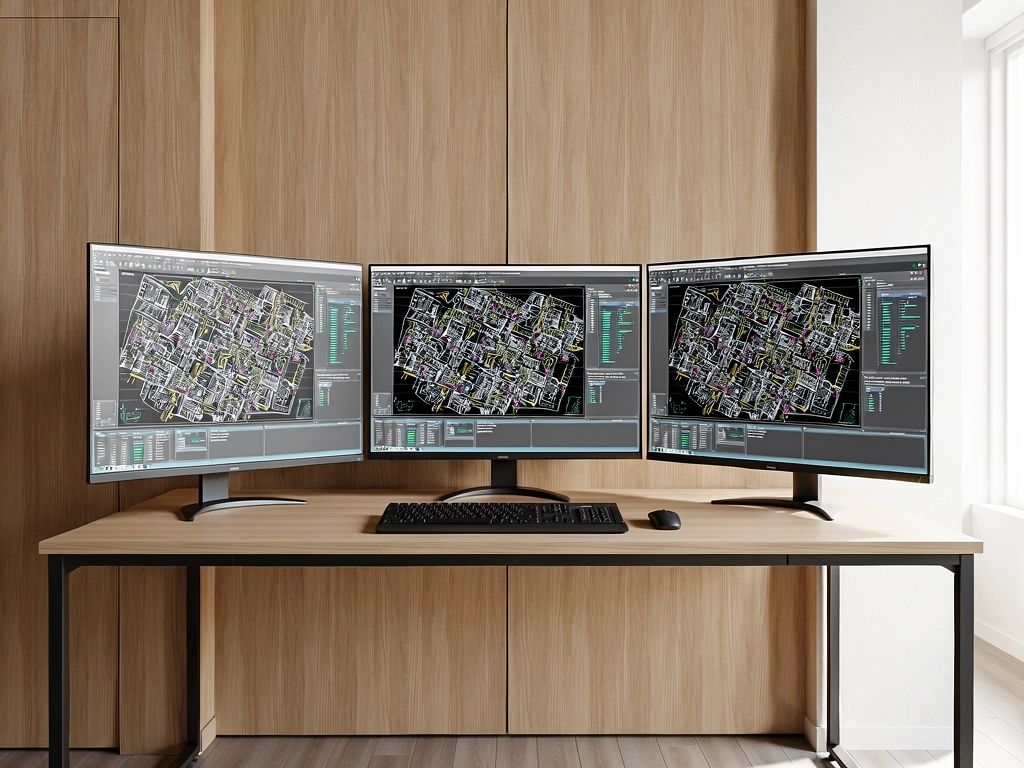
Kyoto Foundations.
Global Logic Systems.
ZenLogic Analytics is situated in Kyoto, a city defined by the balance of tradition and precision engineering. This environment informs our approach to data systems: we look for the permanent logical structures that support sustainable growth.
Our analysts work directly with your engineering leads to map out existing architectures. This hands-on diagnostic phase is where we identify the most impactful logic analytics opportunities, paving the way for targeted system optimization.
Technical Location
Kyoto 30, Kyoto, Japan
Contact: +81 75 3000 0230
Systems Optimization Path
Determine the right level of diagnostic intensity for your organization as of 2026.
| System Type | Primary Risk | Logic Focus | Outcome |
|---|---|---|---|
| Core ERP/CRM | Relational Drift | Constraint Integrity | Data Fidelity |
| Supply Chain IoT | Latency Piles | Event Order Validation | Agile Response |
| Financial Hubs | Semantic Errors | Transaction Logic Audit | Zero-Loss Sync |
| Predictive Engines | Model Skew | Input Logic Bias | High Signal Output |
System Analysis FAQ
How do you quantify system noise?
We measure the variance between the documented intent of a system and its realized operational output. In logic analytics, "noise" represents the cycles, energy, and data lost to structural inconsistencies.
Can you audit proprietary black-box systems?
Yes. While direct code access is preferred, we employ black-box logic testing protocols that analyze input-output signals to reverse-map the underlying decision logic and identify potential fault zones.
What is the typical diagnostic window?
Initial audits typically range from 10 to 21 business days, depending on the scale of the architecture and the depth of the logic layers involved.
ZenLogic Assurance
Precision over Volume.
Identifying systemic errors before they become structural failures.
Ready to audit your logic architecture?
Connect with our Kyoto-based team for a detailed assessment of your data systems and logic paradigms. No generic reporting—only high-signal diagnostic insights.